Starting a retinoid without the irritation
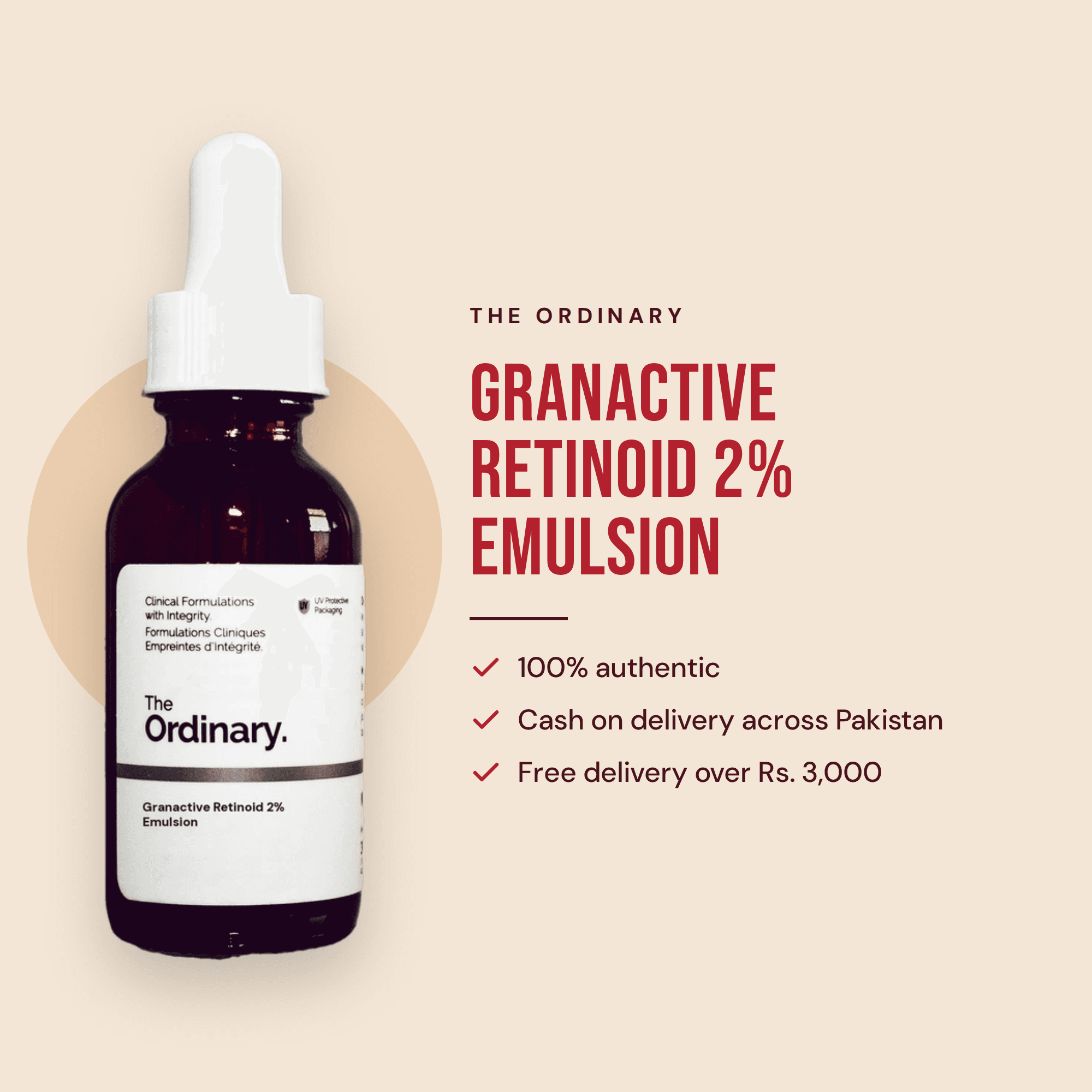
If there is one ingredient dermatologists keep coming back to for fine lines, uneven texture and dullness, it is a retinoid. It is also the ingredient most people quit early, because the first few weeks can bring dryness, flaking and a tight, stingy feeling.
None of that means it is not working. It usually means it was started too fast.
Why a gentler retinoid is a good first step
Granactive Retinoid 2% Emulsion uses a newer form of retinoid designed to cause less irritation than traditional retinol. It comes as a light emulsion rather than a watery serum, so it is more comfortable on skin that is new to retinoids.
The first month, week by week
- Weeks 1–2: two nights a week, with a rest night between.
- Weeks 3–4: three nights a week, if your skin feels calm.
- After that: every other night, then nightly only if skin is comfortable.
If you get flaking or redness, drop back a step for a week. Slow and steady gets further than pushing through irritation.
How to apply it
- Cleanse, then wait until your skin is fully dry. Damp skin lets actives in faster — useful for hydrators, not for a retinoid you are easing into.
- Use a pea-sized amount for the whole face. Skip the corners of the nose, the lips and right under the eyes, where skin is thinnest.
- Follow with moisturiser. If your skin runs dry, apply Hyaluronic Acid 2% + B5 before the retinoid on the nights it feels tight.
What to keep away from retinoid nights
On the nights you use a retinoid, leave out other strong actives — in particular Ascorbic Acid 8% + Alpha Arbutin 2%. Use your vitamin C in the morning instead, where it also helps defend against daytime sun.
Sunscreen is not optional
Retinoids make skin more sensitive to the sun, and Pakistani sun is strong most of the year. Wear a broad-spectrum sunscreen every morning while you use one, including on days you mostly spend indoors near windows.
Who should wait
If you are pregnant, trying to conceive or breastfeeding, skip retinoids and speak to your doctor first. The same goes for anyone already using a prescription skin treatment.